Because Every Child Deserves a Fair Hearing. And a Fair Chance.
A child stands before a Juvenile Justice Board. Perhaps it is their first encounter with the justice system. They may be anxious, unfamiliar with the legal process, and unsure who is really on their side.
About the Fellowship
The Child Rights and Access to Justice Fellowship Programme, implemented by Enfold Proactive Health Trust with support from the Azim Premji Foundation, works to ensure that children in conflict with law have access to child-centred legal representation and the support they need to navigate the justice system, exercise their rights, and move towards rehabilitation and reintegration.
Because justice for children is not only about resolving a case. It is about understanding the child behind the case and enabling access to opportunities for positive change.
Fellowship at a Glance
Over a three-year period, the programme seeks to improve access to justice for 360 children through quality legal representation, rehabilitation support, and systemic reform.
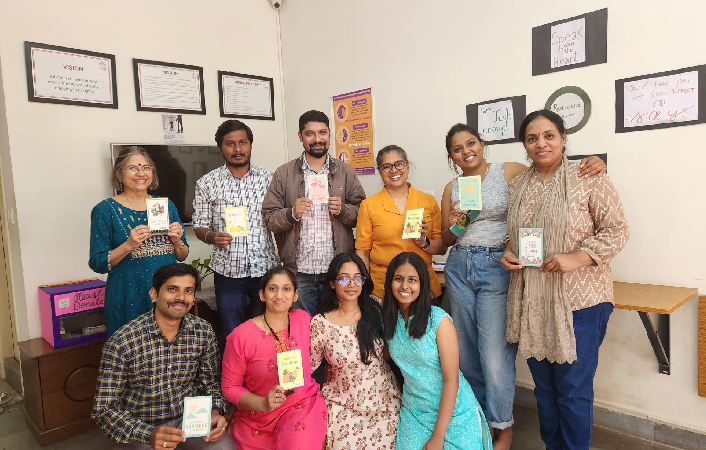
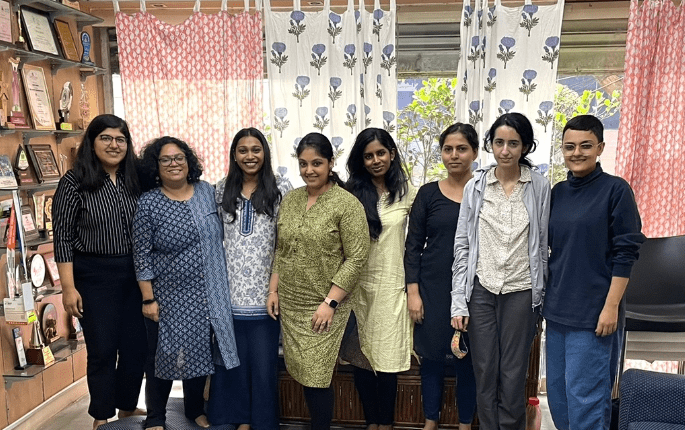
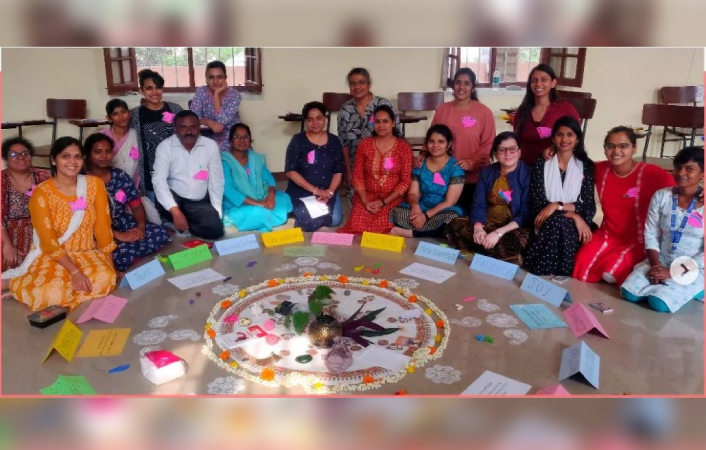
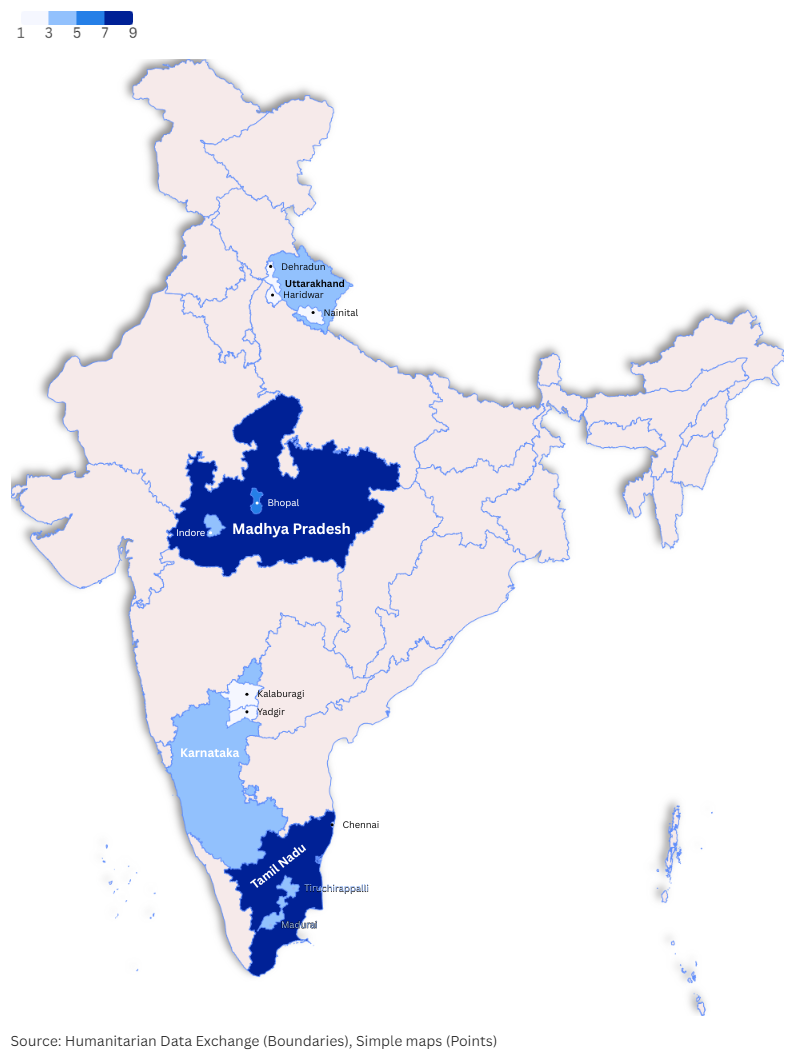
The Fellowship currently operates in 10 districts across 4 states through a network of 23 Fellows.
Over the last six months, the Fellows have been able to provide legal representation and support to 59 children in conflict with law across these districts.
Where We Work
| State | District | Number of Fellows |
|---|---|---|
| Karnataka | Yadgir | 2 |
| Kalaburagi | 1 | |
| Madhya Pradesh | Bhopal | 5 |
| Indore | 4 | |
| Uttarakhand | Nainital | 2 |
| Dehradun | 1 | |
| Haridwar | 1 | |
| Tamil Nadu | Tiruchirappalli | 3 |
| Madurai | 3 | |
| Chennai | 1 |
| District | Cases | Children |
|---|---|---|
| Bhopal JJB | 14 | 16 |
| Sehore JJB | 4 | 4 |
| Indore JJB | 9 | 8 |
| Indore Children’s Court | 1 | 0 |
| Indore High Court | 1 | 0 |
| Yadgir JJB | 4 | 4 |
| Kalaburagi JJB | 4 | 4 |
| Madurai JJB | 5 | 9 |
| Dehradun JJB | 2 | 2 |
| Dehradun Sessions Court | 1 | 1 |
| Haridwar JJB | 3 | 3 |
| Nainital/Haldwani JJB | 9 | 8 |
| Nainital High Court | 3 | 0 |
| Total | 61 | 59 |
Why Access to Justice Matters
Children in conflict with law are often among the most misunderstood groups in society. Many have experienced poverty, interrupted education, neglect, violence, family breakdown, substance abuse, homelessness, exploitation, and social exclusion.
Despite perceptions that the juvenile justice system is “too lenient”, NCRB data indicates that a very high proportion of cases disposed of by Juvenile Justice Boards result in findings against children. Yet serious concerns remain. Some children are treated as adults despite being below eighteen years of age, while others admit guilt without fully understanding the consequences of their decisions.
Access to quality legal representation is therefore critical.
Because the real question is not simply whether a child should be held accountable. The real question is whether accountability creates an opportunity for rehabilitation, reintegration, and positive change.
Understanding the Children We Represent
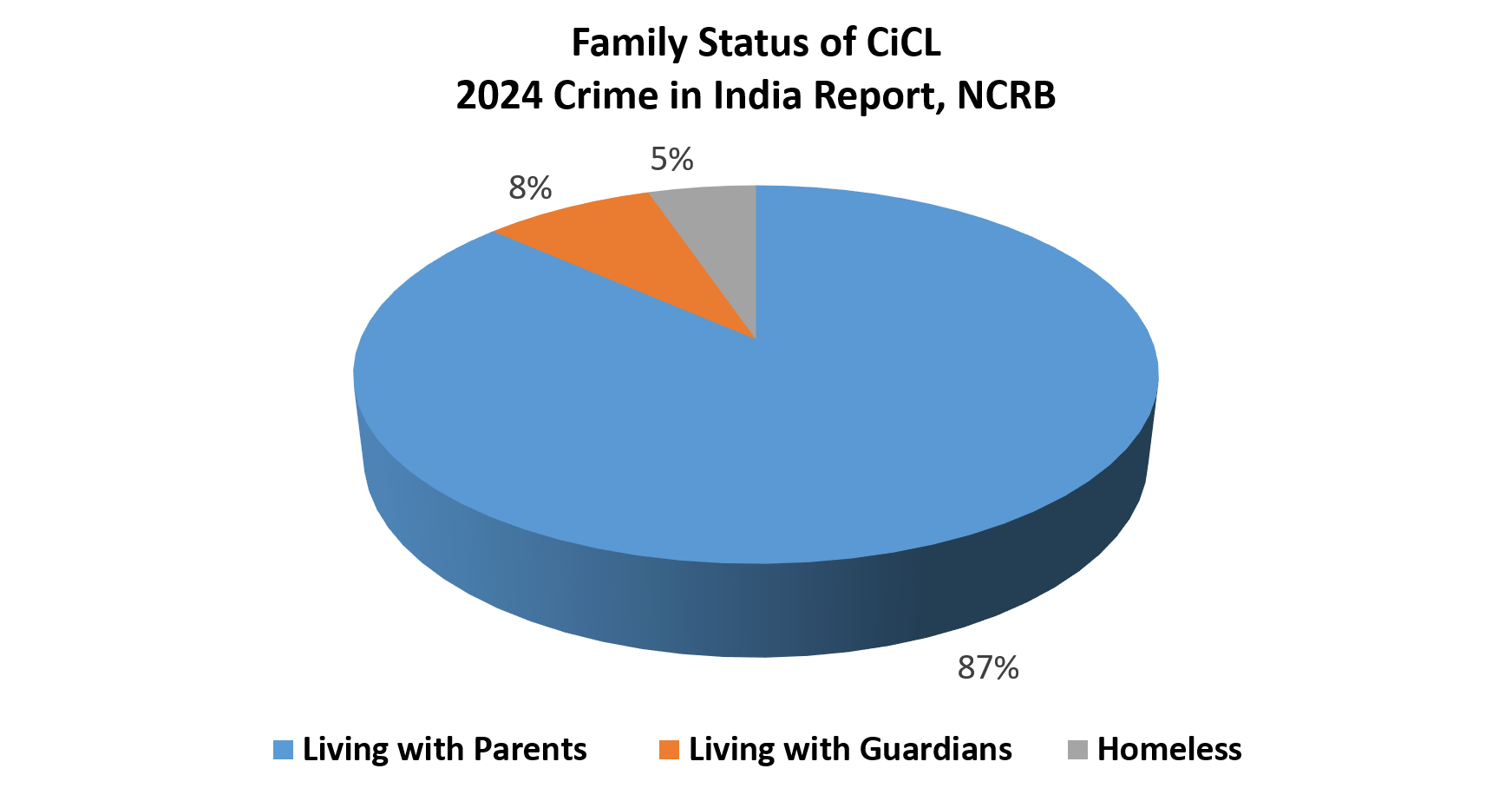
According to the NCRB’s Crime in India Report, 2024…
Most Children Live with Families
More than 94% of children in conflict with law were living with parents or guardians at the time of apprehension.
Education Matters
A significant proportion of children in conflict with law had educational attainment only up to primary or matric level.
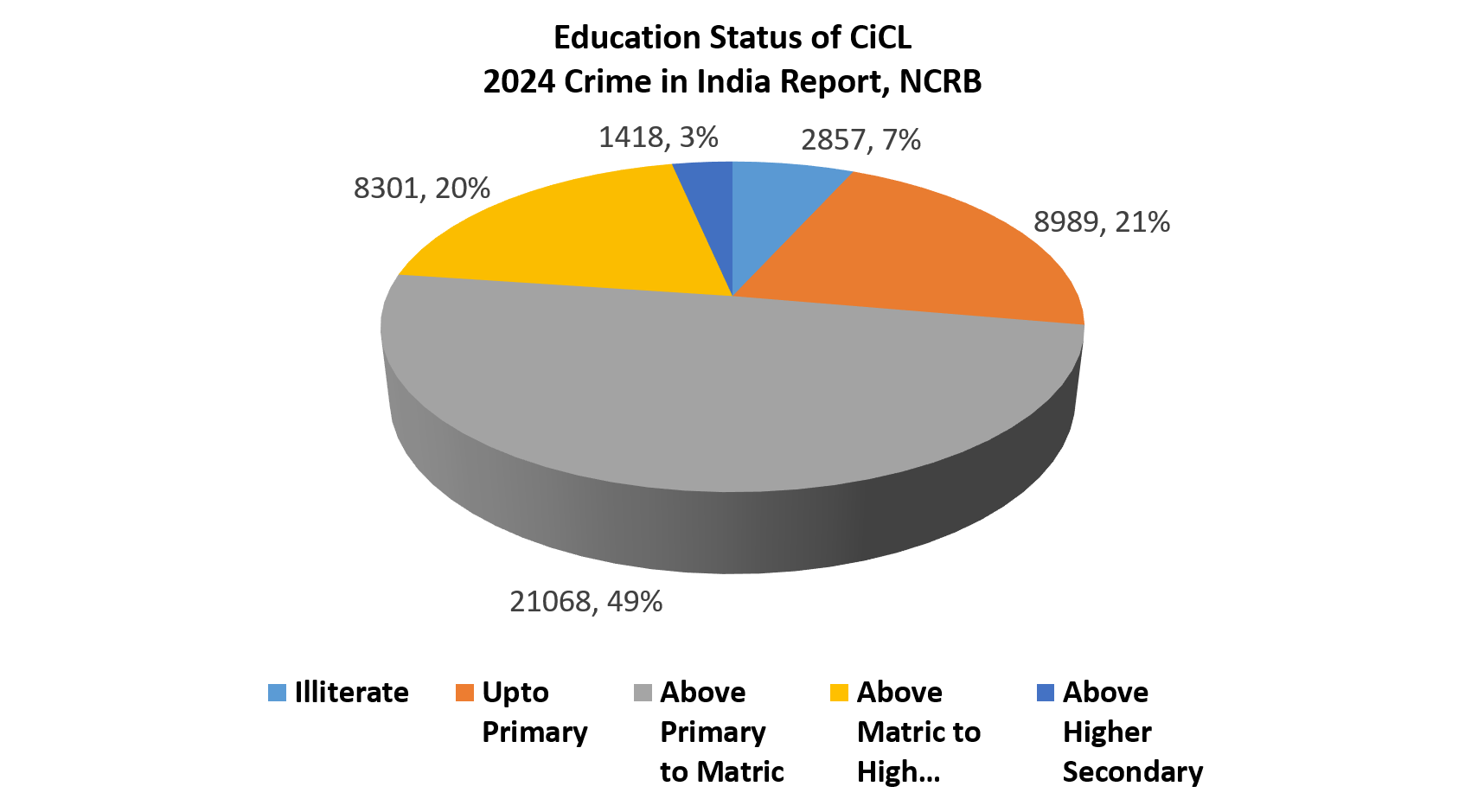
Other studies suggest many CCL face challenges such as poverty, family conflict, neglect, violence, or disrupted caregiving relationships.
Did you know?
87%
cases of children in conflict with the law ended up in Conviction in 2024.
32,000+
children were found guilty in cases disposed of by Juvenile Justice Boards and Children’s Courts in 2024.
34% or 11,000+
children in conflict with the law whose cases were disposed of by Juvenile Justice Boards and Children’s Courts in 2024 were deprived of liberty even though it should be a measure of last resort.
56%
cases of children in conflict with the law remained pending before the Juvenile Justice Boards and Children’s Courts at the end of 2024.
Source: Crime in India Report 2024, NCRB.
| Year | No. of Children Deprived of Liberty | No. of Children held Guilty | Percentage | Conviction Rate | Pendency |
|---|---|---|---|---|---|
| 2024 | 11213 | 32510 | 34% | 87% | 56% |
Why This Fellowship Matters
The juvenile justice system is built on the principles of dignity, participation, rehabilitation, reintegration, and the best interests of the child.
The law recognises that adolescence is a period of growth and development. Children are still learning, changing, and developing their identities. Accountability must therefore be accompanied by opportunities for rehabilitation and positive change.
When children successfully reintegrate into their families, schools, and communities, everyone benefits. Families become stronger, communities become safer, and society benefits from greater social inclusion and reduced reoffending.
Realising this vision requires lawyers, probation officers, social workers, counsellors, justice institutions, families, and communities to work together in the best interests of the child.
What the Fellowship Does
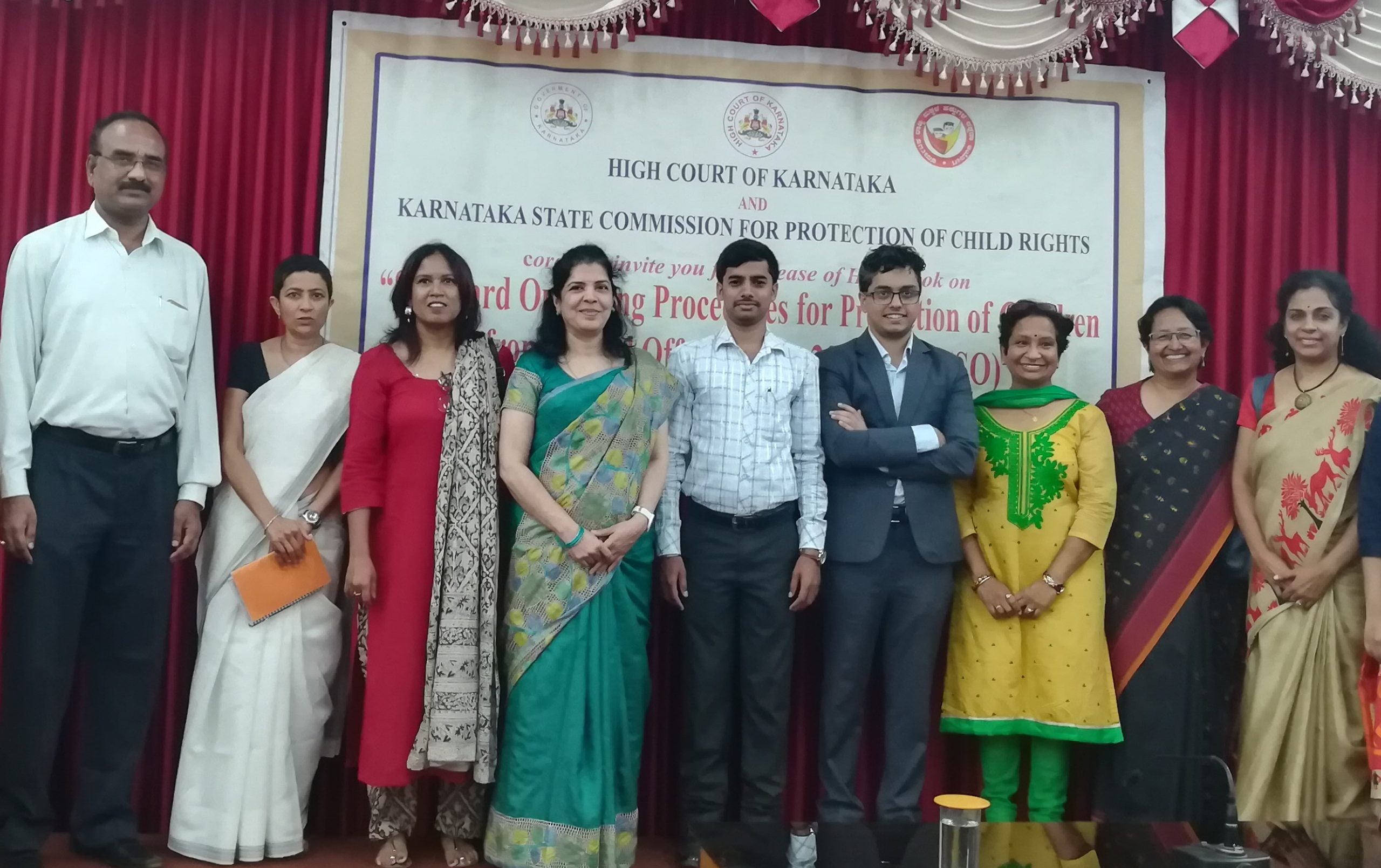
The Fellowship supports lawyers representing children in conflict with law before Juvenile Justice Boards, Children’s Courts, and High Court where required. Through legal representation, mentoring, training, strategic litigation, research, and evidence-building, the programme seeks to strengthen child-centred legal practice and improve access to justice for children.
Child-Centred Legal Representation
Effective representation for children cannot be limited to courtroom advocacy. The Fellowship encourages lawyers to understand the child beyond the alleged offence by engaging with children, families, civil society organisations, communities, Probation Officers and other stakeholders to adopt a multidisciplinary approach rooted in child rights, rehabilitation, and due process.
Because representing a child means understanding the child’s life beyond the case file.
Rehabilitation and Reintegration Support
The real challenge often begins after an order is passed by the Juvenile Justice Board (JJB).
Children may require support to return to school, access counselling and mental health services, obtain identity documents, pursue vocational training and livelihood opportunities, and strengthen family and community support systems.
Working with civil society organisations and community partners, Enfold helps connect children and families with rehabilitation services, existing schemes, and other support mechanisms that contribute to successful reintegration.
| District | Rehabilitation needs raised | Home visits undertaken |
| Bhopal | 1 | 5 |
| Nainital | 3 | 1 |
| Indore | 1 |
Strengthening the Juvenile Justice System
Beyond individual cases, the Fellowship seeks to strengthen the juvenile justice system through:
- Strategic litigation
- Research and documentation
- Development of practical resources
- Capacity building
- Advocacy
Lessons emerging from individual cases help drive broader conversations about justice, child rights, and systemic reform.
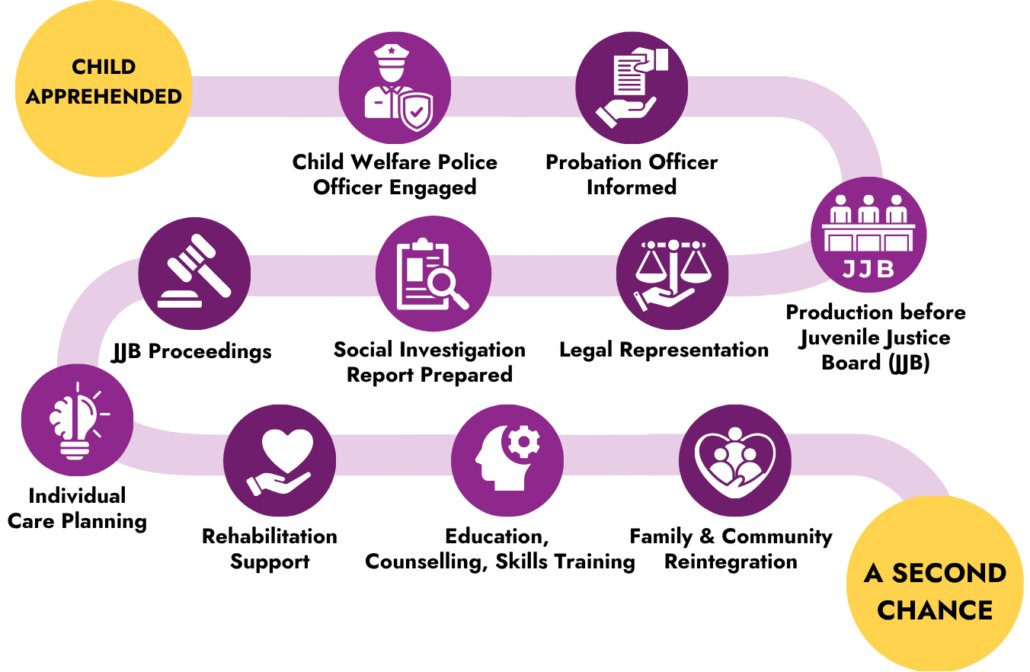
A Child’s Journey Through the Justice System
Get Involved
Creating a child-friendly justice system requires collective action.
Civil Society Organisations
Partner with us to strengthen rehabilitation and reintegration support.
Law Students
Learn, volunteer, research, and engage.
Donors and Philanthropists
Support quality legal representation, access to justice, rehabilitation, reintegration, and second chances for children.
Justice Sector Professionals
Collaborate with us to strengthen child rights and access to justice.
Every Child Deserves More Than Legal Representation.
Every child deserves an opportunity to rebuild their life.
And every society benefits when children are given the support they need to change, grow, and contribute positively to their communities.